How can a community drive the development of tourism and the creative economy in the place where it lives? In the Vale de Catimbau, in Pernambuco, this question has guided the work we began in August, through conversations with those who welcome visitors and meetings with those who preserve the knowledge that makes that region such a unique destination.
There you’ll find Catimbau National Park and its archaeological sites, artisans who transform wood into art, and the experiences of the Kapinawá people and the Mundo Novo Quilombo, among many other treasures. As visitor numbers grow—especially after the pandemic—there is also a growing need to organize these activities so that people living in the region can take the lead in their own development and share in the benefits generated by more sustainable tourism.
It is in this context that Raízes is launching the project “Creation and Structuring of the Vale de Catimbau Creative Tourism Experiences Network,” an initiative of Sebrae Nacional in partnership with Sebrae Pernambuco. The project aims to bring together local entrepreneurs and organizations, supporting the development of a network managed by the community itself.
“It is this community that needs to be empowered to define strategies for development that is truly positive, bringing about real changes in the lives of the people who live there,” explains Jussara Rocha, project director at Raízes.
Sebrae has been active in the region for about 20 years, promoting tourism and an entrepreneurial culture, and at this time, its support for the region has been expanded to include both the development of the Network and the strengthening of the tourism and creative economy value chains. As we lead the work with the Network, we aim to help local groups plan for tourism growth based on what they know, what they need, and what they want for the place where they live.
Who visits the Vale de Catimbau, and what do these people have to say?
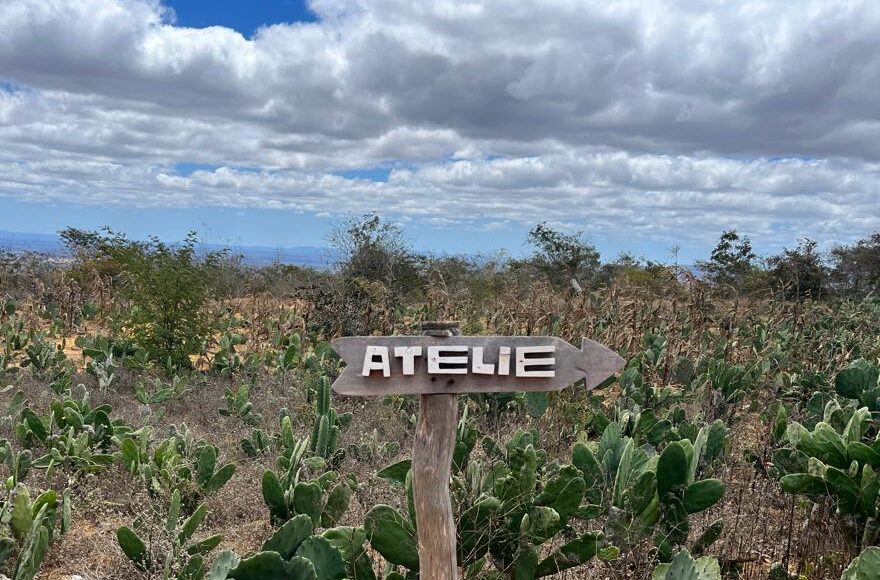
Catimbau National Park encompasses Buíque, Ibimirim, and Tupanatinga, with most of this project’s activities concentrated in Buíque. In this area, which is part of the Caatinga biome, tourism includes everything from inns and restaurants to the services of guides, drivers, and transportation professionals, as well as people whose trades are already an integral part of the experience of exploring the region.
This is true of artisans, shop owners who sell local products, and women who process ouricuri coconuts. In the Quilombo Mundo Novo, community-based tourism already brings visitors closer to the community’s history and cuisine, with samba de coco performances led by the women. Among the Kapinawá, there are villages that also welcome tourists to share in their experiences.
We devoted the first few months of the project to understanding how to bring these initiatives together while respecting their organizational structures, and what each group needs to participate in a network. The mapping exercise, which began in August and is scheduled to end in October, takes into account each group’s activities and the relationships between them, as well as the relational dynamics among stakeholders in tourism and the creative economy in the region.
“We’re now getting to know who these people are, how they work, what they do, what their areas of expertise are, and what their trades are,”says Jussara. The conversations also aim to identify the entrepreneurs’ needs and what they recognize as a unique aspect of their work.
In the next phase, the sector-specific meetings will incorporate methodologies such as affective cartography and social biography, aimed at understanding the history of these groups and the meanings they attribute to the territory.
How does this listening evolve into an autonomous network?
The project consists of six phases that will be carried out over 24 months.
Following the mapping phase, the first Catimbau Tourism and Creativity Territory Inspiration Day will be held, where, in addition to featuring inspiring guests, there will be a debriefing on the initial process, sparking a conversation with the community about what was identified and the Network’s next steps.
The program also includes the Knowledge Trail, the development of products, itineraries, and experiences, mentoring to strengthen tourism and creative businesses, and initiatives related to the domestic and international markets. Throughout the project’s development, we will work on structuring the network and establishing the agreements that will guide its operation and governance. The project also calls for the full implementation of Re.clima and initiatives from Dona do Meu Fluxo, as well as the possibility of incorporating the Entre Elas, methodologies specific to Raízes..
For Jussara, autonomy is one of the main expected outcomes: “Where people truly feel like the guardians of this territory and know how to engage with their extensive network of partners—who are regional, national, and even international—building their future through a sense of belonging and collective action.”
This work requires time spent together and a willingness to negotiate differing interests, while taking into account the conditions under which each group participates. Our contribution brings together Raízes’ technical expertise and the methodologies we have developed and applied over the past 20 years, in dialogue with the knowledge of those who live in the Vale de Catimbau.
As Jussara puts it, it is a project “designed for the community, within the community, with the people of the community”. The network begins to take shape through these conversations, and its future depends on people finding within it a space for their ideas and the conditions to decide, together, how they want to welcome visitors and care for the place where they live.