In partnership with Eccaplan, we are offsetting the greenhouse gas emissions recorded in our 2025 inventory by supporting the Cerâmica Kamiranga project. To understand how this works, it’s worth exploring the connection between our activities and the kilns at this ceramics workshop. Want to join us?
In 2025, we shared how our journey toward carbon neutrality was unfolding, from our first offset initiatives to commissioning a more structured emissions inventory for 2024. Now, with another year of offset emissions, we’re sharing details about the supported project and the partnership that allows us to track how these funds are being used.
How does this connection happen?
The first step is to calculate the emissions generated by Raízes’ activities. Offsetting is achieved by purchasing carbon credits from a certified project in an amount corresponding to the emissions recorded. These credits represent verified emissions reductions or carbon removals, and their purchase directs funds to the selected project.
We rely on Eccaplan to conduct the inventory and manage carbon offsetting, with access to projects certified by Carbon Fair. This platform connects social and environmental projects with companies and individuals interested in purchasing carbon credits, enabling carbon offsetting to help finance the initiatives that generate these credits.
The website provides information about the supported projects, so you can learn about their activities and the benefits associated with each one. The partnership, in turn, provides technical oversight and traceability: the certificate allows you to view the supported project and the record of credits used in our offsetting.
This makes us CO₂ neutral!
CO₂ Neutral is a voluntary corporate social and environmental responsibility program that recognizes initiatives that quantify and offset their greenhouse gas emissions. The goal is to measure the climate impact of an activity—such as the production of a product, the operation of a business, or the provision of a service—and to offset that impact by supporting certified environmental projects that remove or prevent CO₂ emissions into the atmosphere.
At the end of the process, verification of the information allows for the issuance of the certificate, which includes metrics and a QR code to view the offsets that have been credited. The seal highlights this work and provides a way for those who wish to verify their records.

Kamiranga Ceramics is a prime example of sustainable innovation
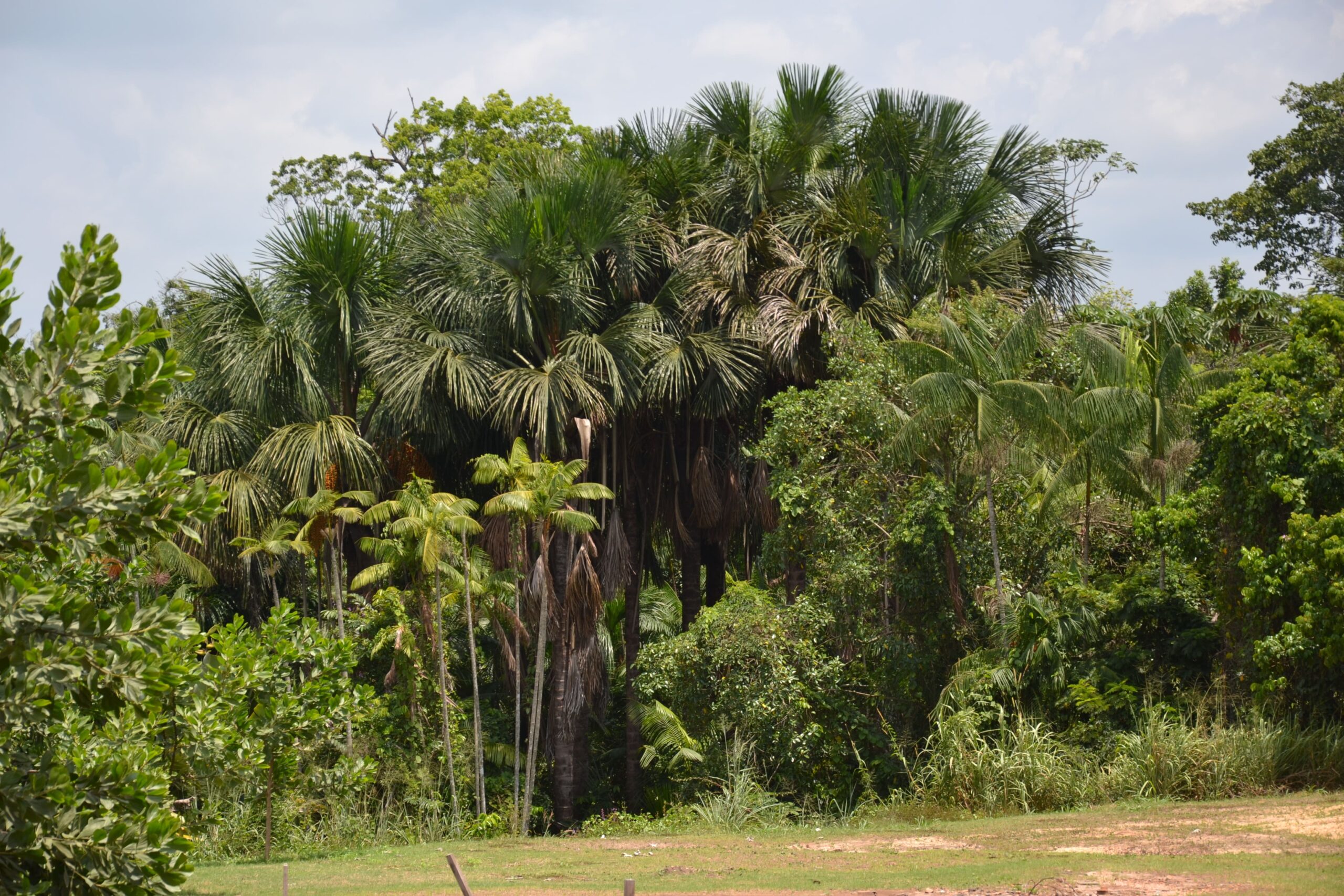
Located in São Miguel do Guamá (PA), after decades of relying on firewood harvested from the forest, the company transformed its production in 2007 by completely replacing this environmentally costly resource with renewable, carbon-neutral biomass. Using an international methodology, the Kamiranga Ceramic Fuel Switching Project ensured a cleaner production process, with a drastic reduction in greenhouse gas emissions—an average of 29. 828 tCO₂e per year, or 298,280 tCO₂e between 2018 and 2027.
In addition, the project also demonstrated in practice the feasibility of harmonizing industrial tradition with the preservation of the Amazon biome, keeping the regional ceramics industry alive without contributing to the destruction of the forest. Details about this change in production are available on the Cerâmica Kamiranga page at Carbon Fair.
And the benefits reach the people
According to Carbon Fair, the proceeds from the sale of credits help fund improvements to the factory and initiatives aimed at workers and the community. Among the project’s achievements are the construction of a vocational training center and a headquarters for the municipality’s association of açaí farmers.
By supporting this project, Raízes’s carbon offset initiative combines environmental stewardship with local development.
Here’s our tip: understanding your own emissions helps you identify opportunities for reduction and plan your carbon offset as part of that stewardship
What kind of project could your company support?