According to the Ministry of Culture, “Creative territories are physical or digital environments whose Cultural and Creative Ecosystem dynamics are recognized by their commitment to the principles of the Creative Economy, by the centrality of the symbolic-cultural dimension of their goods and services, and by the efficiency, efficacy, and effectiveness of their governance. They are characterized by collaboration among cultural and creative actors, government, the private sector, and civil society, with a view toward the sustainable development of their ecosystems.”
More than just a geographic area, the creative territory is a local and regional development strategy based on cultural identity, diversity, innovation, and social participation. Its strength lies in its ability to transform cultural and creative potential into decent work, a decent income, and a positive social impact. In creative territories, culture, the economy, and sustainability work together in an integrated manner, strengthening production chains and expanding opportunities for workers in the creative economy.
I really like this definition because it organizes, in the form of public policy, something that Brazil has always had in abundance: creativity, cultural diversity, indigenous knowledge, ways of doing things, traditions, festivals, cuisine, crafts, memories, landscapes, and very unique ways of life. What may still be missing, in many cases, is recognition of the strategic potential for territorial development. When we talk about the creative economy from Raízes’ perspective, the central point, for me, is connection. It is about strengthening local networks and the ability to look at a region and recognize the existence of a creative ecosystem. And when this ecosystem is recognized, organized, and strengthened, the region takes on a leading role.
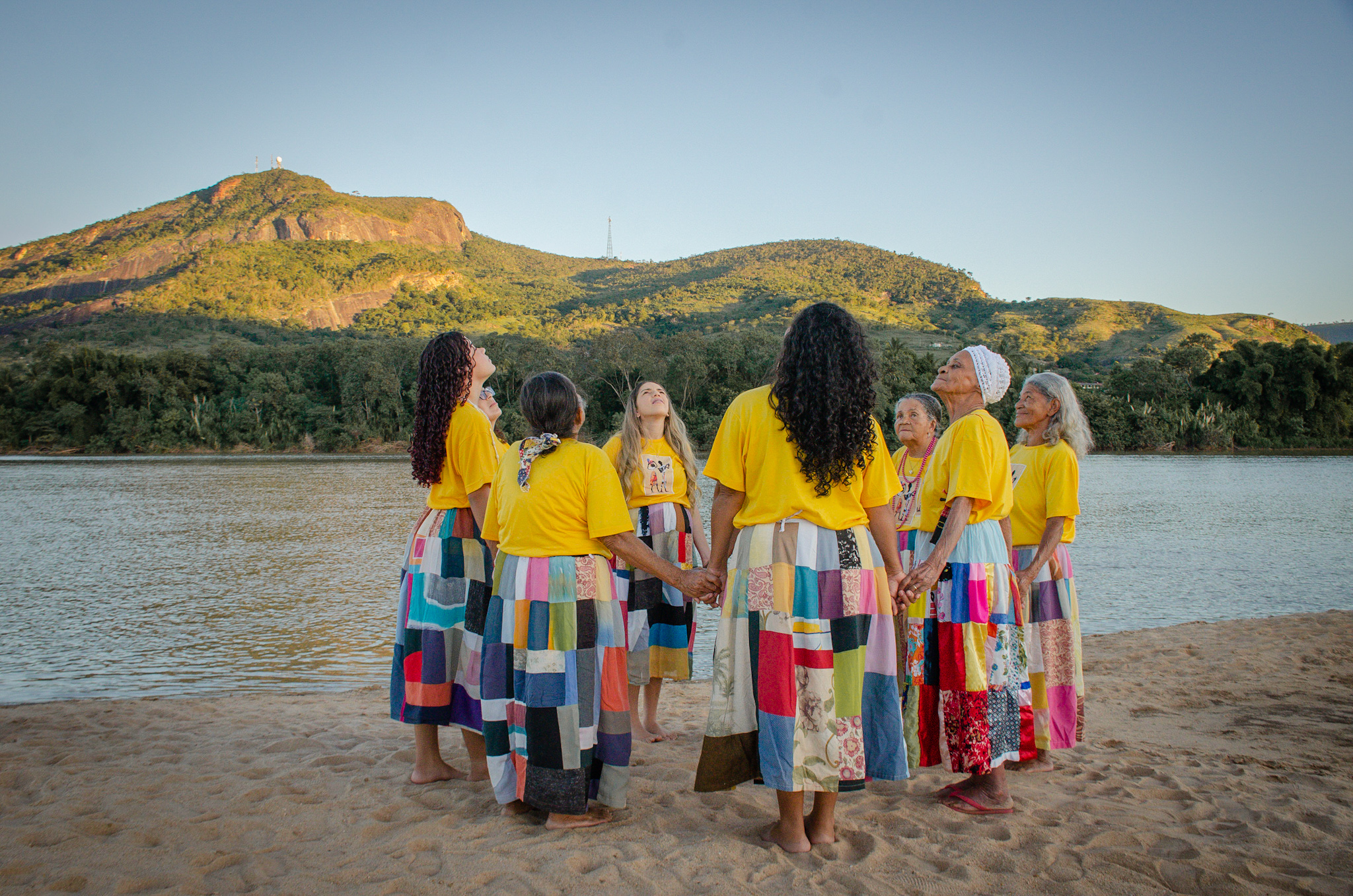
Creative territories begin to take shape when entrepreneurs recognize one another, the community understands that what it knows how to do has value, and the private sector, civil society organizations, and local actors are able to build a dynamic governance system capable of generating concrete paths toward the future. For me, this is the major turning point: showing that the territory is productive, that the creativity found there has economic, symbolic, and social power, and that this power can generate income, economic activity, self-esteem, and quality of life.
A lone artisan has value. A traditional cook has value. A tour guide has value. A cultural group has value. A community association has value. But when these actors are disconnected, the potential for transformation is limited. In creative territories, the perspective shifts. That is where governance, training, long-term planning, coordination with appropriate markets, care for local identity, and the construction of an authentic territorial narrative come into play.
Culture is not an accessory: it is human capital

Creativity is an asset, and I would say it is an asset that surpasses many others, because it cuts across different sectors and creates opportunities for transformation. Culture, in this sense, is a fundamental reference point. It goes beyond entertainment; it is found in the way a people interprets the world, organizes itself, celebrates, plants, cooks, dances, sings, welcomes others, tells its story, and builds a sense of belonging.
Perhaps I see it this way because culture has always played a major role in my upbringing. I come from a family history steeped in congadeiro groups—people connected to memory, history, and the recognition of territories, especially in Minas Gerais. I was raised in a family that has always viewed culture as a source of enrichment, personal healing, wisdom, sensitivity, and creativity.
Dance, music, fashion, history, and the desire to discover places and people shaped who I am. Later, tourism entered my life through this same cultural path—through the desire to explore, to understand how people live in a particular place, how they sing and dance, how they view plants, how they tell their stories, and how they relate to what they have inherited from their ancestors.
That perspective has stayed with me to this day. I deeply believe that the world is a place of learning and that places have their own identities. And these identities must be respected, understood in their essence, and carefully nurtured, free from negative interference.
The Creative Economy as a Development Strategy
The message I’d like to convey to companies, organizations, government agencies, and partners is very simple: we need to stop viewing the creative economy merely as a collection of isolated cultural activities. When we treat art, culture, tourism, crafts, gastronomy, traditional knowledge, and innovation as separate elements, we lose the power of the whole. But when we view these elements as part of a living, connected, and productive territory, we begin to see much deeper possibilities.
Creative territories can indeed generate income. They can indeed strengthen production chains. They can attract visitors and expand markets. But they can also do something even more important: help a people recognize the value of who they are.
That’s why I really hope that the creative economy will be increasingly recognized as a strategy for regional development—and I’m here to make that happen through my work. Will you join me?