The most transformative methodologies don’t always appear first in reports. Sometimes they emerge from the day-to-day life of projects, in gatherings of women, in conversations after a workshop, in the trust that is built over time. It was from this practical observation that Entre Elas emerged, a gender equity methodology that has since been incorporated across various projects at Raízes Sustainable Development.
Through various initiatives led by Raízes, we have come to realize something important: when women have their own space for sharing, learning, and being heard, the impact of these projects grows. Furthermore, businesses gain momentum, decisions become more confident, and many unspoken barriers begin to be challenged.
“The Entre Elas initiative emerged as part of the Itabira Social Entrepreneurship Program, when we were already working with women’s groups and realized the need to create a space for listening and sharing among them” , says Jussara Rocha, project director at Raízes. “We were working on entrepreneurship, innovation, and territorial development, but it was during the process that we realized they also needed to position themselves as women within that context.”
How it works
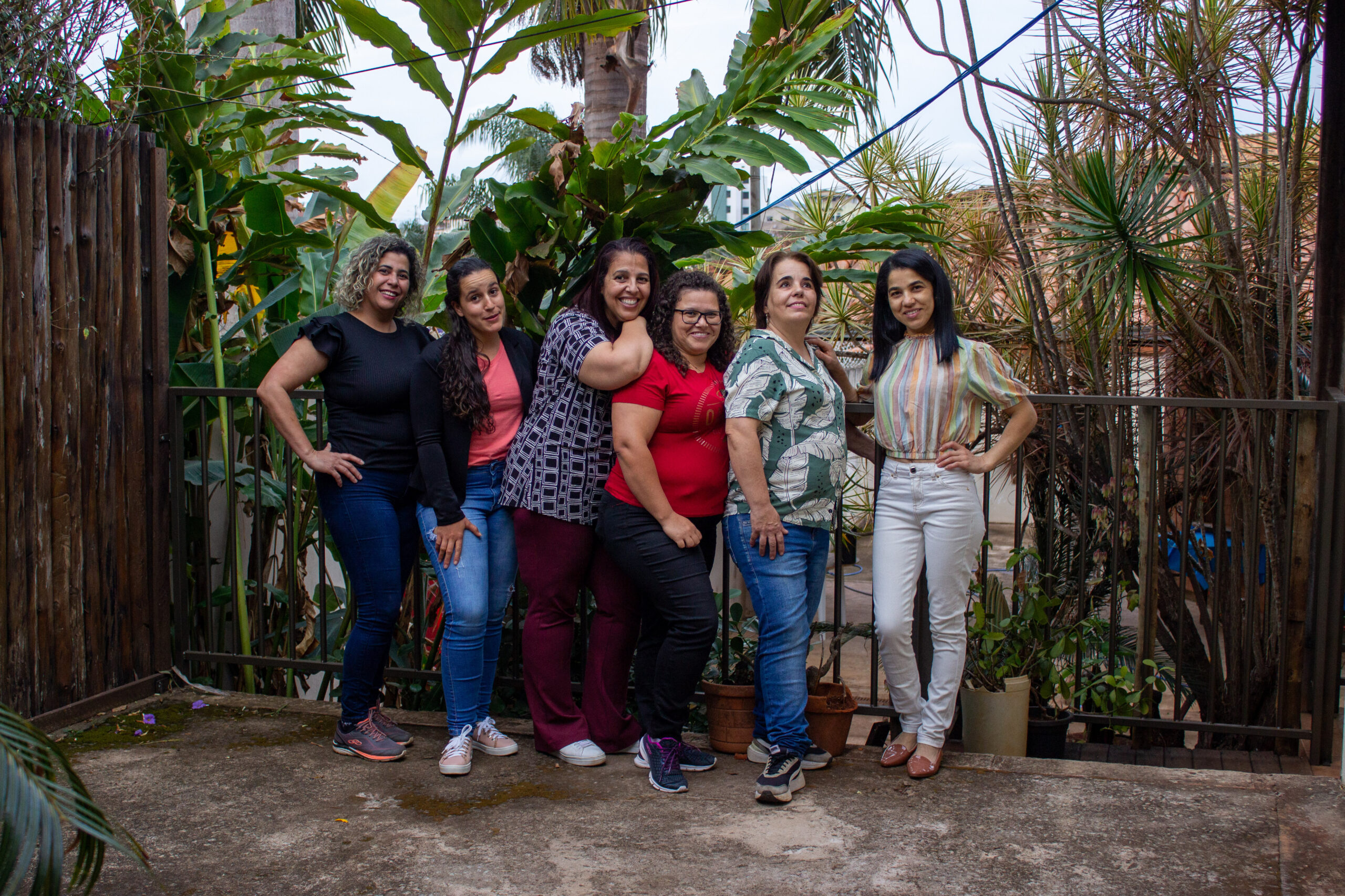
The methodology Entre Elas consists of meetings, discussion circles, and workshops led by women and designed for women, always addressing topics that directly resonate with the female experience. The goal is to create a safe environment for exchange and learning that inspires and empowers participants not only as entrepreneurs but as protagonists of their own journeys.
This program has already been part of initiatives such as Flores do Carmo, Sabores do Morro, Bordadeiras de Ipoema, and Barão de Cocais, among other projects carried out by Raízes in various regions. But there is one important detail: these gatherings do not necessarily adhere to the technical scope of the projects.
“There, we don’t focus on the project’s content itself. We work with whatever emerges throughout the process—what they bring to the table, sometimes even intuitively,” explains Jussara. “It’s a space to look inward, to share, and to talk about what really matters to them.”
At times, the activities are more technical, such as discussions about personal finances, small business organization, gender equity, or income-generating strategies. At other times, the focus is on self-care and building self-esteem—topics that often take a back seat when daily life demands so much from women.
One of the workshops we held, for example, focused on self-esteem and beauty. We invited a makeup artist to lead a mini-course on simple makeup tips and self-care. It may seem like a small detail, but the impact is often profound. Jussara recalls a story that left a lasting impression on the entire team. “There was a woman, around 60 years old, who wouldn’t look at herself in the mirror. She resisted the entire workshop. When she finally looked, she cried. She said it was the first time she had ever seen herself. And she said she would never stop looking at herself again. For some people, this may be just a small detail. For others, it’s the beginning of a new path in life,”she says.
In other contexts, we lead discussions on health, nutrition, self-awareness, and resilient behavior. When working with vulnerable groups, we also incorporate initiatives such as Dona do Meu Fluxo, expanding access to information on menstrual health and women’s autonomy.
There are also more sensitive topics that rarely find a place in traditional training programs. “When we worked on sexuality, the body, and gender with older women, it was very powerful. It was a silenced topic. And suddenly, they were there talking, laughing, and recognizing themselves,” recalls Jussara. “This creates something fundamental for any collective project: trust.”
And that trust is what sustains the process. Without trust, it is very difficult to make progress in collective governance. Trust is the primary social capital we build through these meetings.
SDG 5: Gender Equality
All of these initiatives are directly aligned with the United Nations’ (UN) Sustainable Development Goal (SDG) 5, which addresses gender equality. More than just an international guideline, this commitment translates, in practice, into creating environments where women can empower themselves collectively and expand their autonomy.
And this empowerment isn’t limited to the individual level. “When women are empowered, everything changes. Businesses become more consistent, initiatives more structured, relationships more balanced. They start to see themselves differently, and this impacts the project as a whole,”adds Jussara.
The Entre Elas gradually took shape as an intentional component of Raízes’ projects. It is a space where education, active listening, and support go hand in hand to promote greater dignity and gender equality.
Now, looking back on this journey, we realize that many of the methodologies we have developed over the years deserve to be further refined and given greater visibility. That is why we will soon be taking the next step on this path… a program born from our accumulated experience in the field, from conversations in different communities, and from a lesson that has become central to Raízes: true transformation only happens when it makes sense to those who live in the community.
Raízes will soon launch Re.Clima (Re.Climate). A new methodology that broadens this perspective and continues to be developed, just like everything we do: through listening, presence, and the efforts of many people.